- i
2022 Aspire Sustainability Comparative LCA, commissioned by Clover Imaging Group.
- ii
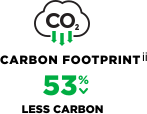
Global Warming Potential / Carbon Footprint / Climate Change:
The global warming potential impact category refers to the warming that can occur due to emissions of greenhouse gases from human activities. This warming can lead to changes in the global climate which can cause negative impacts to human and ecosystem health.
- iii
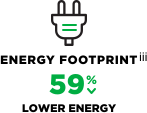
Energy Footprint/Cumulative Energy Demand:
The energy footprint is the energy needed throughout a product’s life cycle and includes non-renewable (fossil and nuclear) and renewable (biomass, water, solar, winder, geothermal) energy sources. The Cumulative Energy Demand (CED) of a product is the direct and indirect energy use throughout the life cycle, including the energy consumed during the extraction, manufacturing, and disposal. The CED method considers both renewable and non-renewable energy and the direct and indirect energy consumption.
- iv
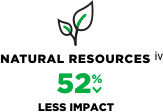
Natural Resources:
The Resources score reflects depletion of the Earth’s fossil and mineral resources. This category measures the geological distribution of mineral and fossil resources and assesses how the use of these resources causes marginal changes in the efforts to extract future resources. The quantification of damage to resource availability is based on the marginal increase in the cost of extracting resources, measured as dollars.
- v
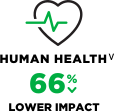
Human Health:
The Human Health score sums a variety of environmental impacts related to human health such as smog and ozone depletion. DALY stands for “Disability Adjusted Life Years,” which is a measure of quality of life.
 Sustainable Purchasing Leadership Council
 Association for the Advancement of Sustainability in Higher Education


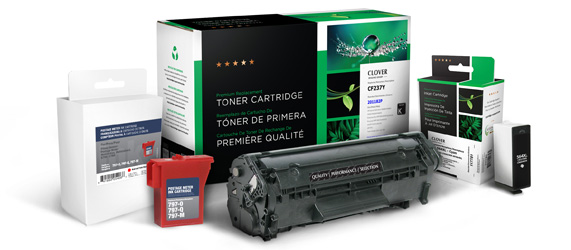
 Impact of remanufactured cartridges on the environment